
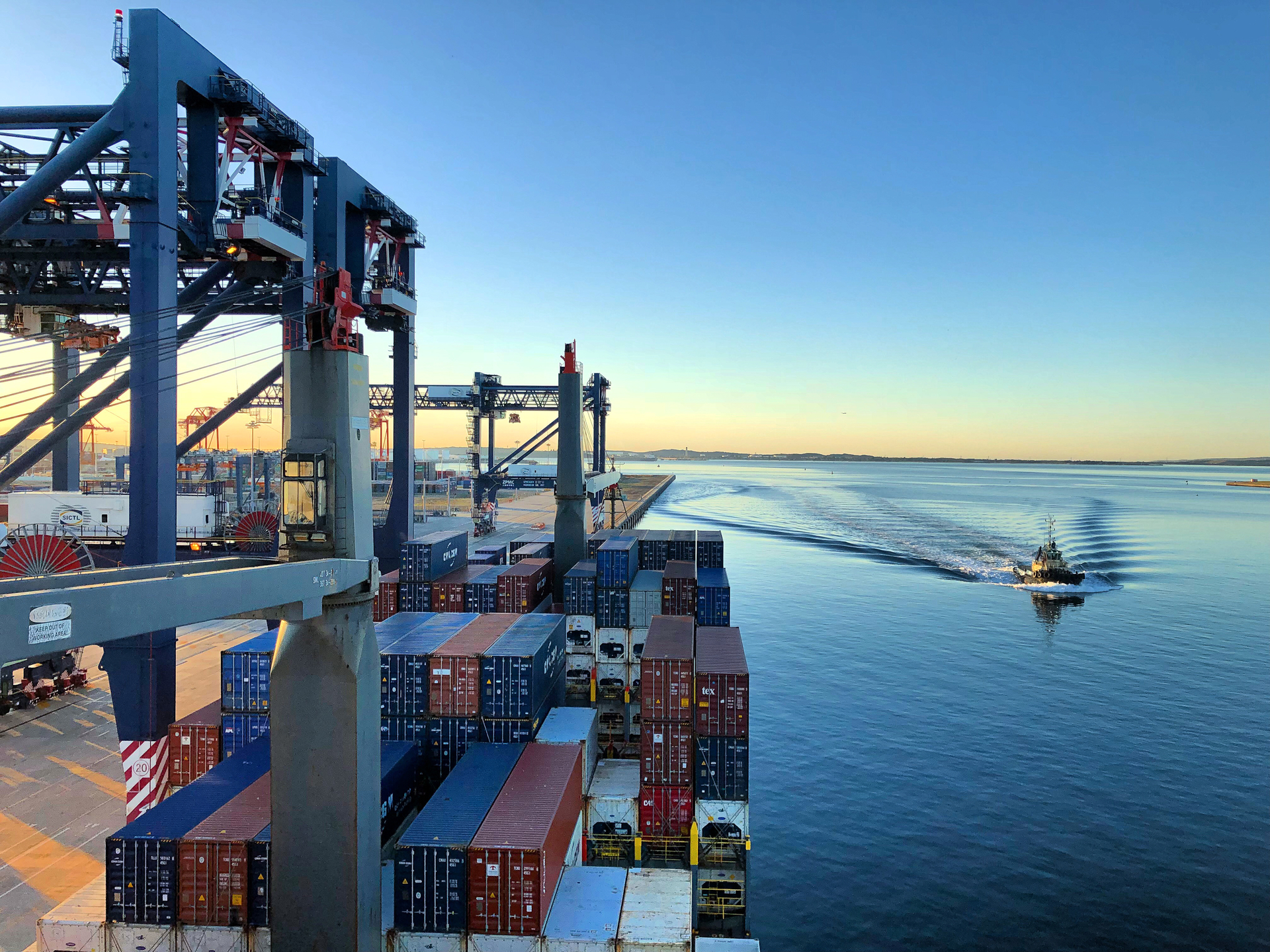
A global regulation that will substantially reduce harmful sulphur oxide (SOx) emissions from ships comes into effect from 1 January 2020, bringing significant benefits for both human health and the environment.
Set by the International Maritime Organisation, the new rule, known as IMO 2020, will mean ships of all sizes must use fuel oil with a sulphur content of 0.50 per cent m/m (mass by mass), down from the previous 3.50 per cent.
The IMO says this will result in a 77 per cent drop in overall SOx emissions from ships — around 8.5 million metric tonnes of SOx a year.
With many ships using heavy ‘bunker’ fuel during operation, the new ruling has been implemented to drastically improve air quality and reduce pollution from the world’s shipping fleets — especially in ports and coastal areas.
Applicable to all countries, the IMO has been working with international stakeholders for years to prepare for these changes. In Australia, the new requirements will be managed and enforced by the Australian Maritime Safety Authority, which regulates shipping emissions in Australian waters.
AMSA has already set emissions regulations for cruise ships in Sydney to use low sulphur fuel (maximum 0.10% m/m) while at berth, but the IMO 2020 rules will mean all ships in Australian ports and at sea must now use fuel with a low sulphur content.
Compliance and enforcement guidelines for the IMO 2020 rules in Australia are available on AMSA’s website.
Latest news
- From the high seas to the big screen: Port Authority helps beam NSW around the world
 From the high seas to the big screen: Port Authority helps beam NSW around the world
 - $50,000 investment making waves for port communities across NSW
 $50,000 investment making waves for port communities across NSW
 - Seafarer Welfare Fund marks $1.5m milestone in third year
 Seafarer Welfare Fund marks $1.5m milestone in third year
